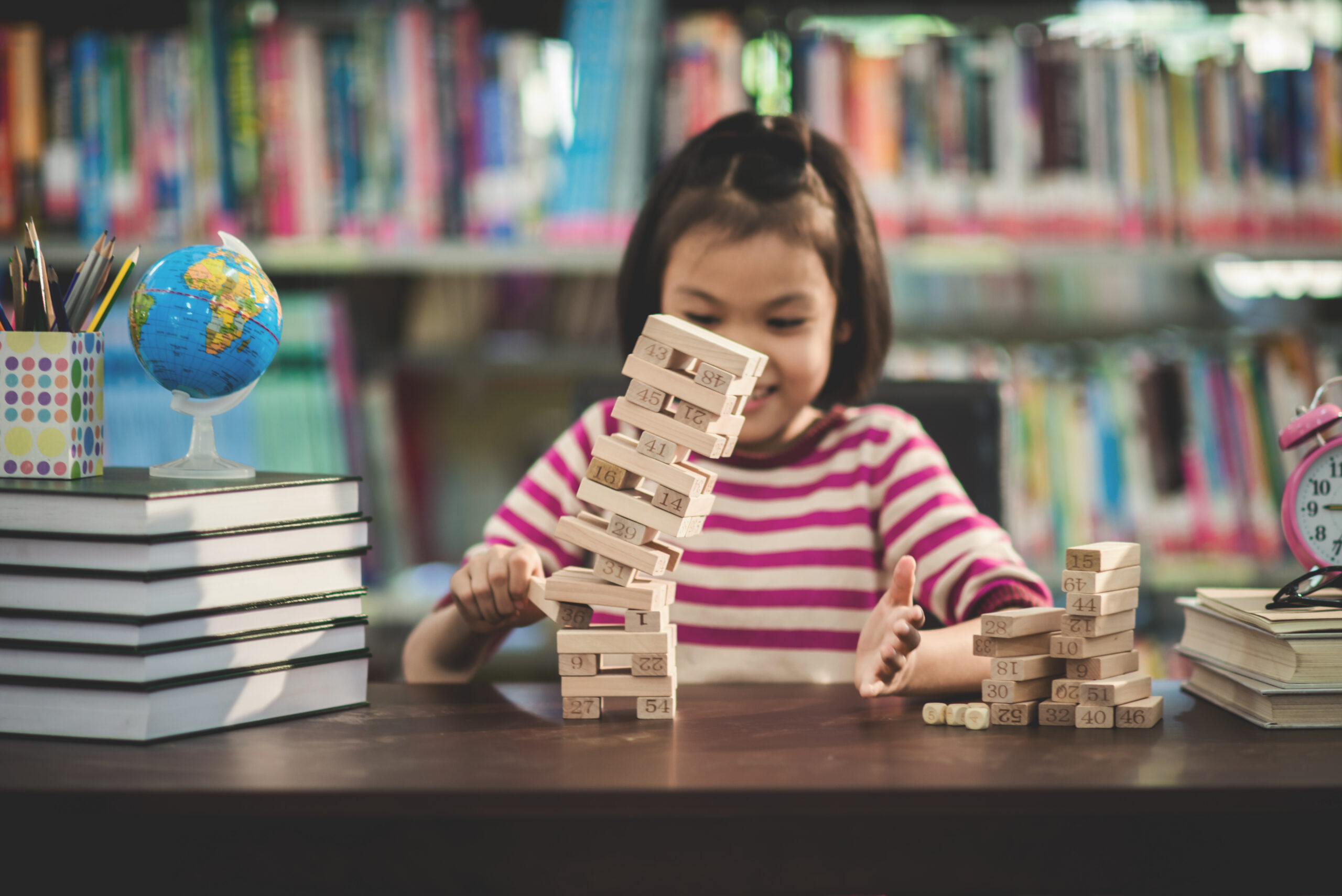
Children often learn best when they are actively engaged through games, puzzles, and creative activities. Playful learning helps make educational experiences more enjoyable and less stressful for young learners.
Activities that involve exploration and problem-solving can improve concentration, logical thinking, and decision-making skills. These experiences encourage children to stay curious while building confidence in learning.
Play-based learning also supports cognitive development by helping learners recognize patterns, follow instructions, and think independently. These foundational skills are important across all subjects.
In a rapidly changing digital world, playful learning can help children develop future-ready skills while maintaining a positive relationship with education.